Showing posts with label snacking. Show all posts

Wednesday, October 19, 2016

Healthy Snacking on the Go

Our lives are shaped by “on-the-go” food, technology and culture. If we aren’t in an airport, we’re at a rest stop, driving the kids to activities, racing to meetings, fitting in a workout, etc. In the midst of busy days and travel limitations, we also need to fit in three meals and two healthy snacks to keep our bodies fueled. How is this possible? Is there time? Staying healthy on the go may seem daunting, but it’s not impossible. Before running out the door, grab one of these healthy snacks to keep you fueled and energized throughout the day.

-Fruit and Veggies: Of course, our favorite go-to! Try fresh or dried depending upon what’s available.
-Nut Butter: Portion out nut butter in small containers that you can grab and go. You can also find small packets of nut butter at the grocery store, such as Justin’s almond butter, to toss in your bag or store in the car.
-Cheese and Crackers: Baby Bell cheese and Mary’s Gone Crackers are a favorite combination.
-Hummus: Single serving packages are available at most grocery stores and some convenience stores; pair with cut up veggies and whole grain crackers.
-Dried Chickpeas: Packed with satiating fiber and protein, this grab and go snack is simple and delicious. The brand Good Bean is a safe bet for flavor and nutrients.
-Trail Mix: If chocolate is an ingredient, opt for dark chocolate.
-Oatmeal: Before running out the door, grab a pack of oatmeal. Oats are packed with fiber that will keep you fuller, longer.
-Hardboiled Eggs: These are a quick and easy protein source; enjoy with a piece of fruit.

Bottom Line: Don’t compromise health or flavor when you’re on the go. Aim for snacks that combine carbohydrates, protein and fiber, such as fruit and nut butter, veggies and cheese … you get the picture. Don’t forget to stay hydrated with water throughout the day.


Visit Wellness Workdays for more information about our worksite wellness programs.

Thursday, February 11, 2016

Strategic Snacking

Many people turn to popular diet trends to lose weight, but these fad diets do not work in the long run and often leave frustration in their wake. Strategic snacking throughout the day can support weight loss and weight maintenance. Unfortunately, typical snacks consist of simple sugars and saturated fat. When choosing your afternoon snack, make sure to grab one that is less energy dense and contains a multitude of nutrients, including protein.   

A recent randomized crossover study comparing yogurt, crackers and chocolate assessed if consuming a high protein yogurt snack would improve appetite control, satiety and reduce food intake at dinner in twenty healthy females ages 25 to 29. The study compared three 160-calorie afternoon snacks: high protein yogurt, high-fat crackers and high-fat chocolate. The participants consumed each snack in the afternoon for three consecutive days. On the fourth day of each pattern, the participants consumed a standardized breakfast and lunch, and the respective snack was consumed three hours post lunch.

The results indicated that consumption of each snack led to immediate reductions in hunger and increased fullness followed by gradual increases in hunger until dinner was requested. Consumption of the high protein yogurt snack led to greater reductions in afternoon hunger compared to the other snacks. Additionally, after eating the yogurt snack participants requested dinner at a later time and consumed fewer calories at dinner time compared to the other snacks. This study indicates that eating a high protein snack in the afternoon is one way to control appetite and control portions at dinner. 

Bottom Line: Eating more often can aid in weight loss if you snack strategically. Aim for an eating pattern that includes three nutritionally balanced meals with one to two healthy snacks daily. Focus on the quality of the foods you are choosing and incorporate nutrient dense foods including vegetables, fruits, whole grains and lean proteins.

Source

Visit Wellness Workdays for more information about our worksite wellness programs.

Thursday, November 12, 2015

Countertop Clutter Contributes to Weight

Right now, wherever you are, stop and think about your kitchen. Can you picture what is sitting on your counter -- cereal boxes, loaves of bread, a bowl of fruit, a cookie jar, yesterday’s mail? A new study finds the food on your kitchen counter can relate to your weight.

In a recent study by Cornell University, researchers were able to predict a woman’s weight based on the types of foods sitting on her kitchen counter. The research team photographed over 200 kitchens in and compared them to their resident’s weight. Women who had a bowl of fruit on their kitchen counter weighed 13 pounds less than those who did not. Those who had cereal on their counter weighed 20 pounds more than those who did not and women who had soda on their countertops weighed 24 to 26 pounds more than those who did not. Past research has also shown that having clear counters, as opposed to cluttered countertops, can contribute to healthier weights.

Bottom line: We eat what we see because it is easy and convenient. A handful of food here and there may seem harmless, but calories add up fast! Try making healthier options convenient by simply putting them in plain sight. Swap your cereal boxes for a bowl of fruit or cut up veggies. Make sure to keep the treats and sweets out of sight, tucked away for special occasions. Out of sight, out of mind! 

Source

Visit Wellness Workdays for more information about our worksite wellness programs.
Wednesday, September 23, 2015

To Snack or Not to Snack?

To snack or not to snack? That is a question we hear a lot these days. Some experts believe snacking will help you consume fewer calories throughout the day because you will feel more satisfied at meal times, while other experts argue that snacking contributes to weight gain by providing additional calories during the day. A new study sought to clear up the confusion about snacking and the findings were published in the Journal of the Academy of Nutrition and Dietetics.

Researchers examined how snacking behavior impacted diet quality and BMI within a group of 233 adults in a Minneapolis community-based worksite nutrition intervention. Data on dietary quality habits was gathered over a 30-month period and focused on three 24-hour dietary recalls; two of the recalls occurred during the week and one during a weekend day. Dietary quality was assessed using the Healthy Eating Index 2010. The BMI of each participant was calculated using their measured height and weight.

While previous studies have looked at the at the overall relationship between diet quality and snacking, this study also reviewed the relationship between diet quality and energy contributed by different food group choices such as fruit and juice, vegetables, desserts, chips, nuts and sugar-sweetened beverages. The results showed that total snacking energy and frequency are not associated with diet quality or BMI, but the snack choice does have an impact. Higher diet quality was seen in those participants that chose snacks such as fruit, nuts and vegetables, while lower diet quality was demonstrated in those that chose desserts and sugar-sweetened beverages. Additionally, a higher percent of snacking energy from vegetables was significantly associated with a lower BMI, while a higher percent of snacking energy from desserts and sweets was significantly associated with a higher BMI.

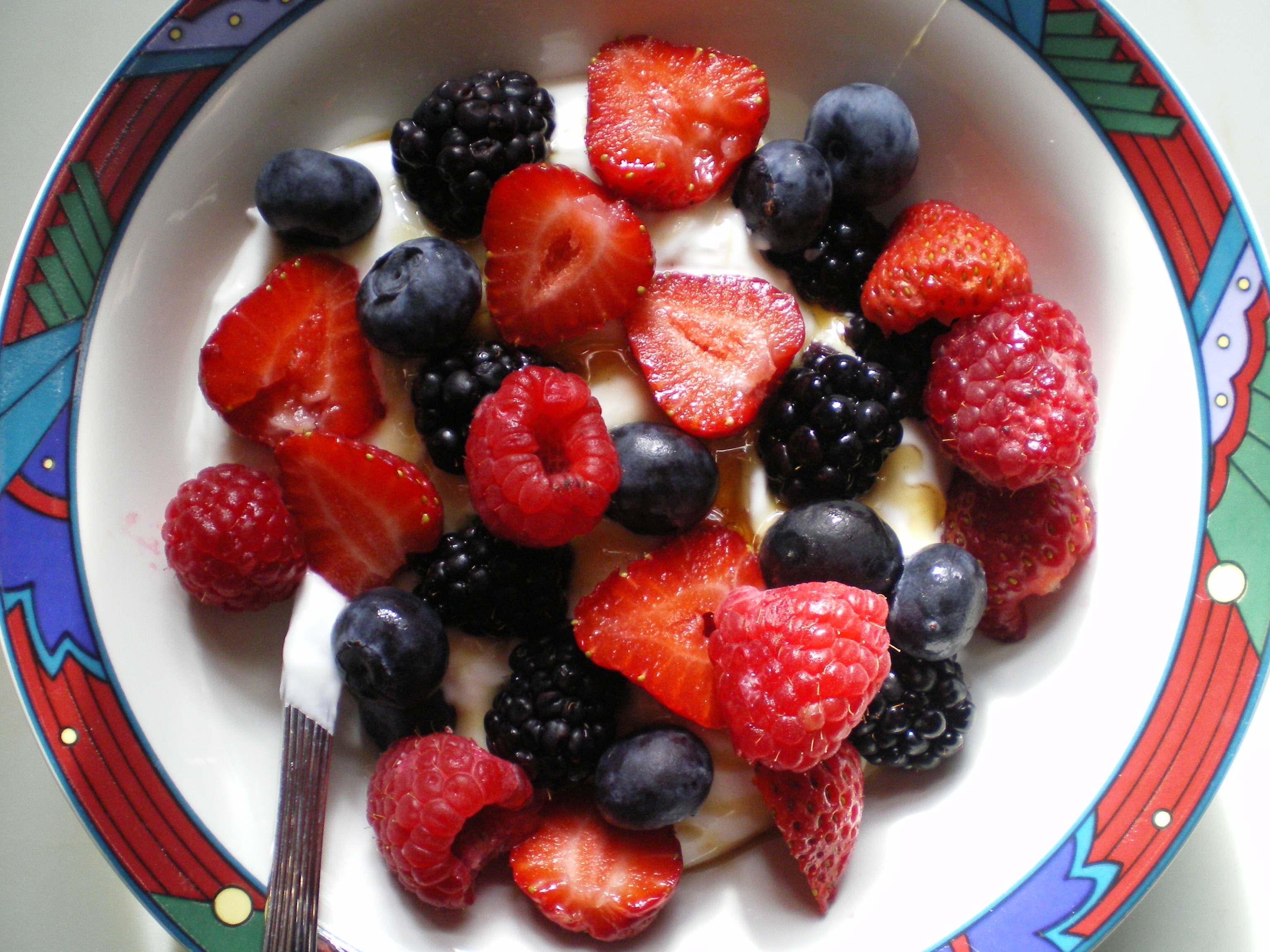
Bottom Line: It is not necessarily the snacking frequency that impacts weight and diet quality, rather the type of food we choose to snack on. Fruits and vegetables make great snacks; they are packed with beneficial nutrients and fiber to help keep us satisfied between meals. Try cutting up your fruits and veggies as soon as you get home from the grocery store and place them in baggies for a convenient grab-and-go snack.


Visit Wellness Workdays for more information about our worksite wellness programs.